
What is the format of a speed dating event?
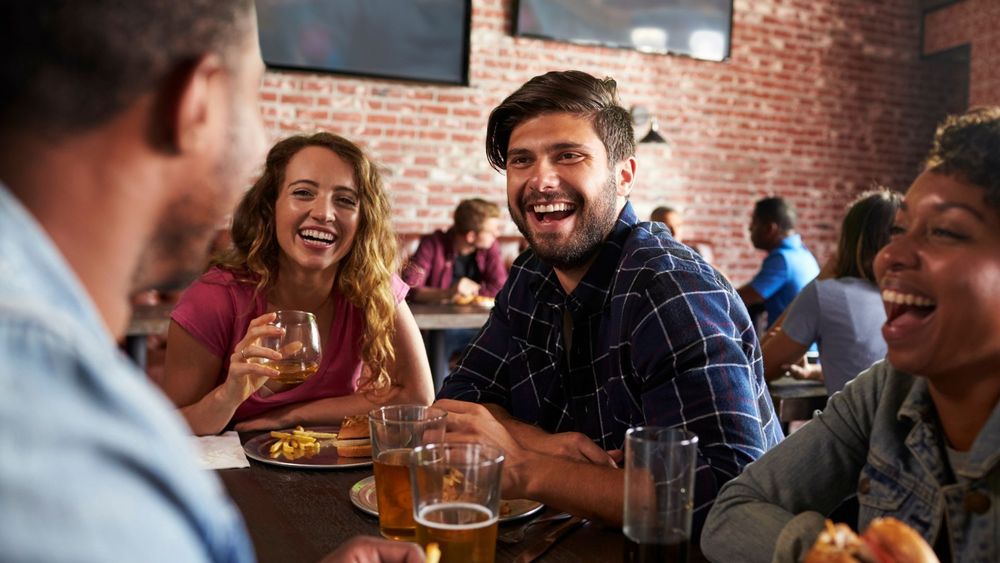
There are a few different formats for a speed dating event, and every organizer has their own take on what works best. Here’s our rundown of a typical speed dating event format.
The one common feature that all speed dating events share is that event participants rotate through a series of short conversations (or date rounds) with several potential partners. As organizers, we aim to make this simple process as fun and efficient as possible.
Here is a typical format for a speed dating event:
Participants arrive at the venue and check in with the organizers. Most participants welcome the opportunity to purchase a drink from the bar as the group assembles. Certain organizers favor giving everyone a name tag to identify themselves from other participants and a scorecard to keep track of everyone they meet during the event.
When everyone has arrived, the host will give a brief introduction to the event in front of the assembled crowd to explain how the evening will proceed.
Participants will be seated at numbered tables, with one couple per table. The number of tables and participants will vary depending on the size of the event and when everyone is seated the event will begin their first dating round.
Each date can last between 3-5 minutes, and the organizer should start a stopwatch to ensure time doesn’t run away with them. It’s important to keep speed dating events running on time.
During each dating round, participants have a conversation with the person seated across from them. They can ask questions, share information about themselves, and get to know each other in a short amount of time.
When time is up a bell, whistle or other signal is sounded to indicate the end of the first dating round. Each round typically lasts between three and eight minutes, depending on the event and the organizers’ preferences. It’s at this point that people will move to the next table and the next date begins.
In a typical heterosexual speed dating event, the men will generally move around the tables while the women will stay seated. There’s a difference in how same sex events run but we’ll cover that in a future article.
This process repeats for several rounds, with participants talking to multiple people throughout the event. In the case of larger events, the organizer may wish to introduce a break at the halfway point.
At the end of the event, when everyone has met everyone else, the organizer will explain what happens next. In the case of events organized on the Fanciful platform, users will simply need to log in to their account in order to view the names of everyone they met on the night. They will have the option to select if they wish to see someone again or not.
At a predetermined time, the Fanciful system will calculate who has mutually matched with whom, inform the clients of their matches and allow them the in touch with matches via the messaging system on the website to chat further, and many arrange a date in future. Some speed dating organizers may use variations on this format, such as having participants sit in pairs and rotate around the room or having multiple rounds with breaks in between.
The important thing is to create a structured and organized way for participants to meet and get to know each other in a short amount of time while having a fantastic night out.
So, there you have it. A classic speed dating event in a nutshell. We’ll be covering all aspects of speed dating in this blog. How to organize them, what can go wrong, how to promote them and how, as a dater to make the most of them.
If you’re thinking of running your own event, why not take the first step and sign up to Fanciful now? It’s free to start and you might just find you have a talent for bringing people together!